June 1, 2025 · Design
Phase 01 — From first message to the factory floor
It began with a single enquiry from British School Salalah. Hon Playground moved the conversation to WhatsApp, shared the factory's export certificates, workshop videos and timber reports, and offered a fully refundable design fee — the design cost is credited back once the playground order is placed.
Key points: Factory-direct · Export-ready manufacturer · Refundable design fee.
June 5, 2025 · Design
Phase 02 — An Omani dhow, reimagined for play
The school sent a photograph of a traditional Omani sailing ship as inspiration — carved bow, tall mast, timeless lines — and asked for a simpler, child-friendly version in natural wood. The requirements were clear from day one: a real climbable deck, a tunnel, a slide and a net-climbing wall, all sized for children aged five to nine.
Key points: Theme: Omani heritage · Ages 5–9.
June 10, 2025 · Design
Phase 03 — Turning a sketch into a 3D playground
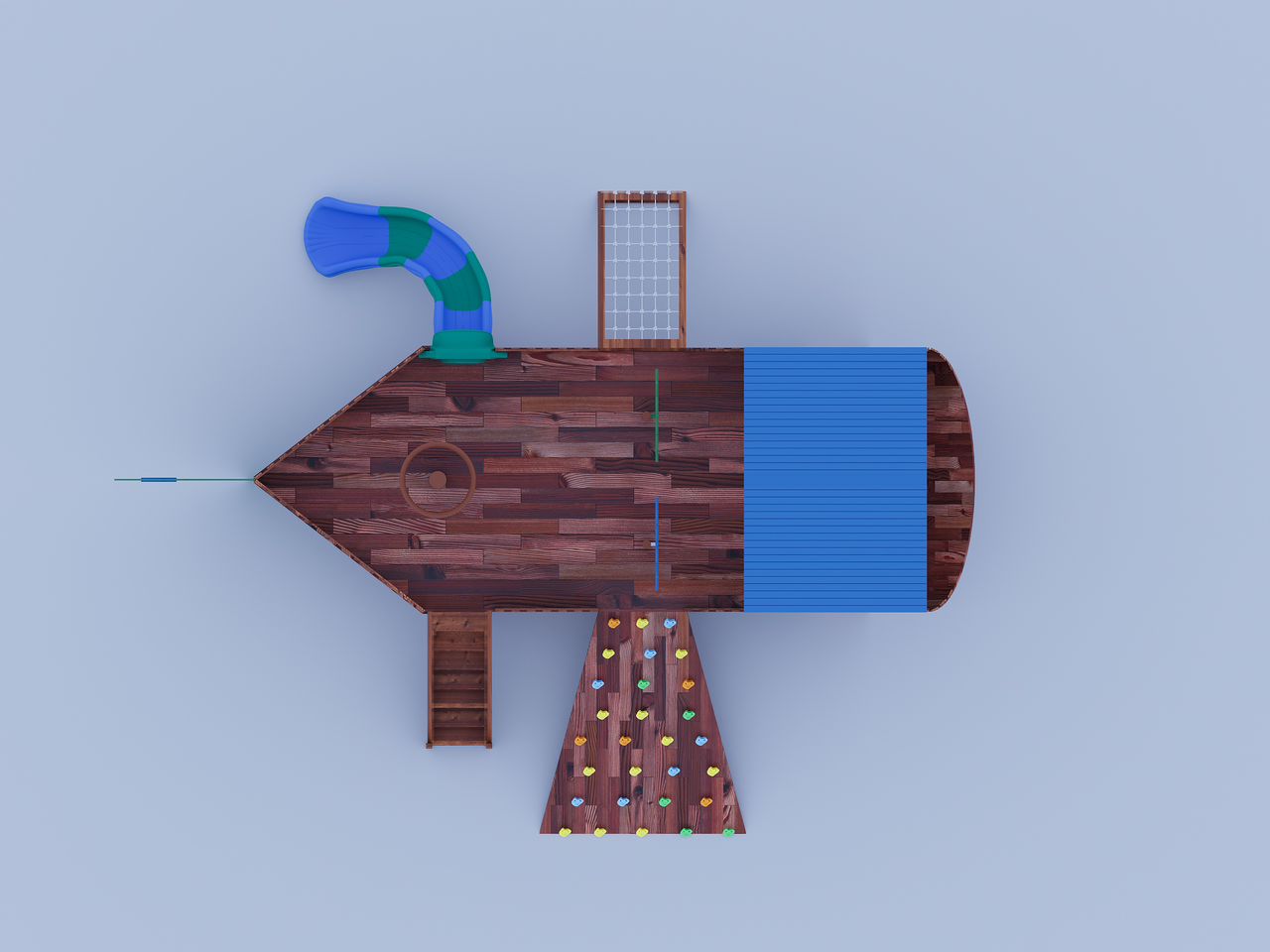
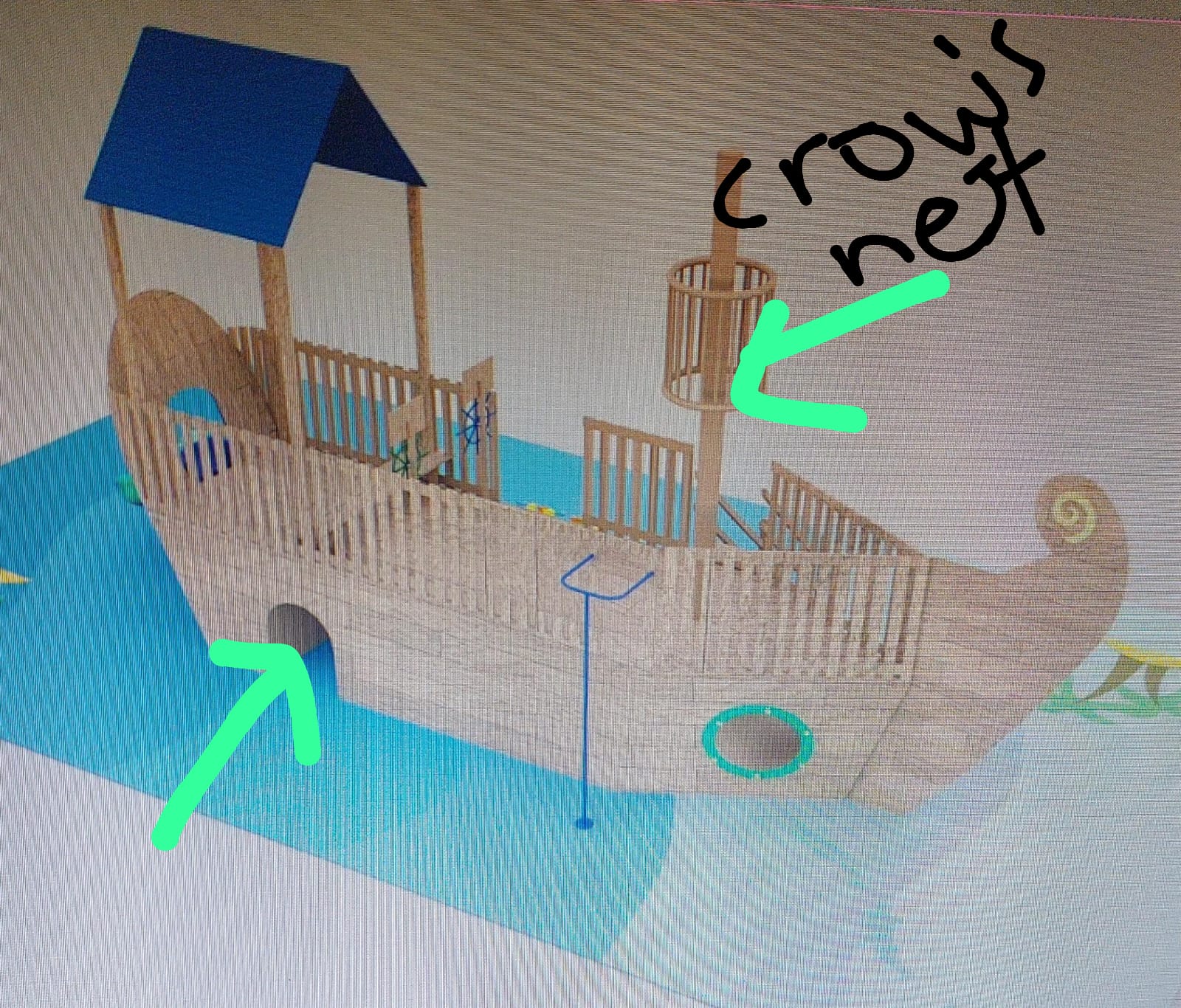
Hon Playground's in-house design studio built the first 3D concept renders within days — a wooden hull with a swirled carved bow, a slide, a rope-net wall, tunnels and a rock-climbing ramp. Rendering is a dedicated department in itself: the concept stage exists to let the client see the customized playground before a single board is cut.
Key points: In-house 3D design · Concept rendering.
June 20, 2025 · Design
Phase 04 — Dozens of revisions, one shared vision
Over many months the design was refined detail by detail — exact school greens and blues, gold bolts, a crow's-nest watchtower, a fireman's pole, seating inside the tunnel, and mounting points for the students' own prize-winning treasure maps. A tight site forced a real engineering puzzle: EN1176 requires a minimum 1.5 m impact zone on every side, so events were rebalanced, the slide moved to the stern and the walkway widened to 2.7 m — all without losing the ship.
Key points: EN1176 fall zones · Brand-exact colours · Client co-design.
October 1, 2025 · Design
Phase 05 — Choosing wood that survives the Salalah coast
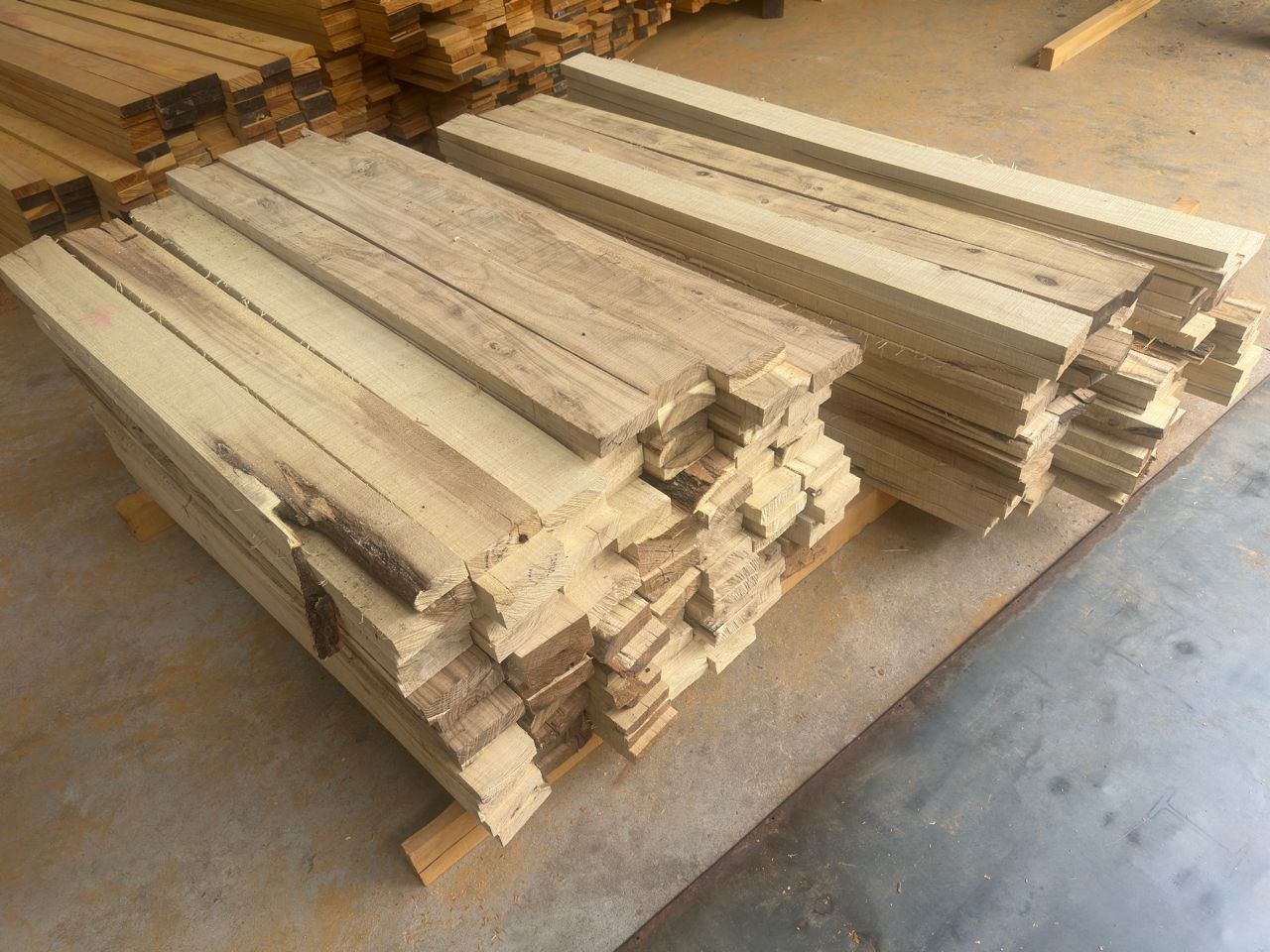
Durability drove the hardest decisions. Hon Playground walked the school honestly through every option — treated Finnish pine, HPL, wood-texture HDPE, rosewood and Robinia — weighing cost, humidity resistance and lifespan for a demanding coastal climate. The choice: Robinia (Black Locust) hardwood for the structure, a galvanized-steel internal frame that resists rust, and a matte epoxy seal, engineered to last with simple yearly maintenance.
Key points: Robinia hardwood · Galvanized steel frame · Matte epoxy seal.
March 1, 2026 · Design
Phase 06 — Painted to the school's exact palette
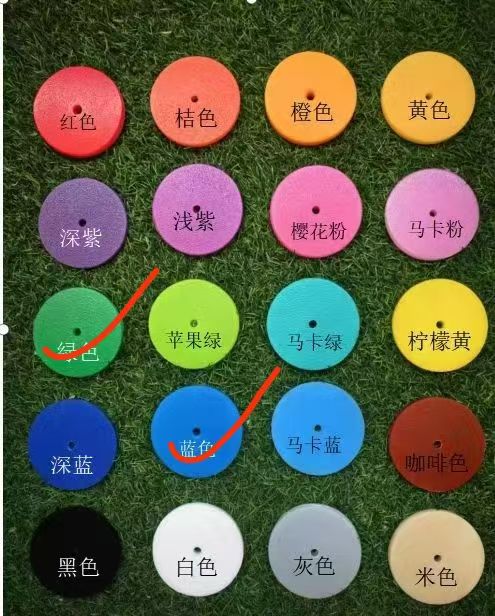
A customized playground should wear the client's brand. Working from the school's hex codes — green #14B484 and blue #002B5C / #0081C6 — Hon Playground matched tunnels, steering wheels and railings to real paint swatches, then photographed the physical colours for sign-off. Gold accents and a natural wood finish completed the look the children had drawn.
Key points: #14B484 · Gold accents.
May 1, 2026 · Production
Phase 07 — Cutting Robinia, welding steel, three coats of paint
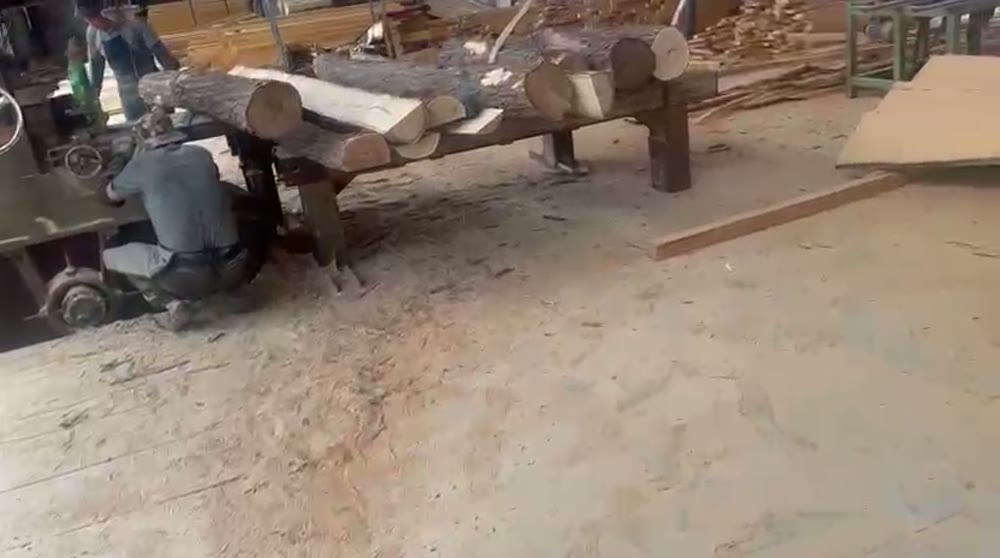
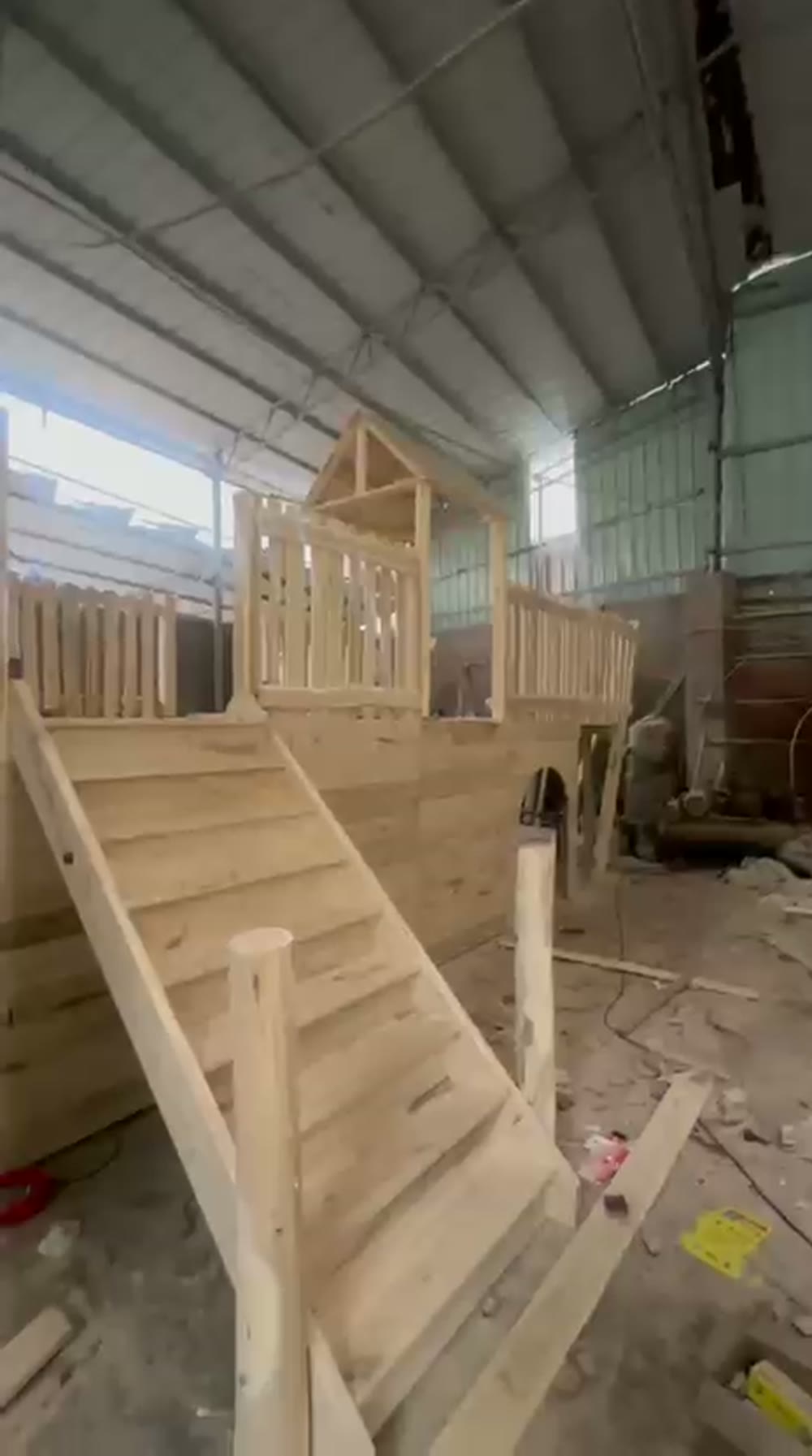
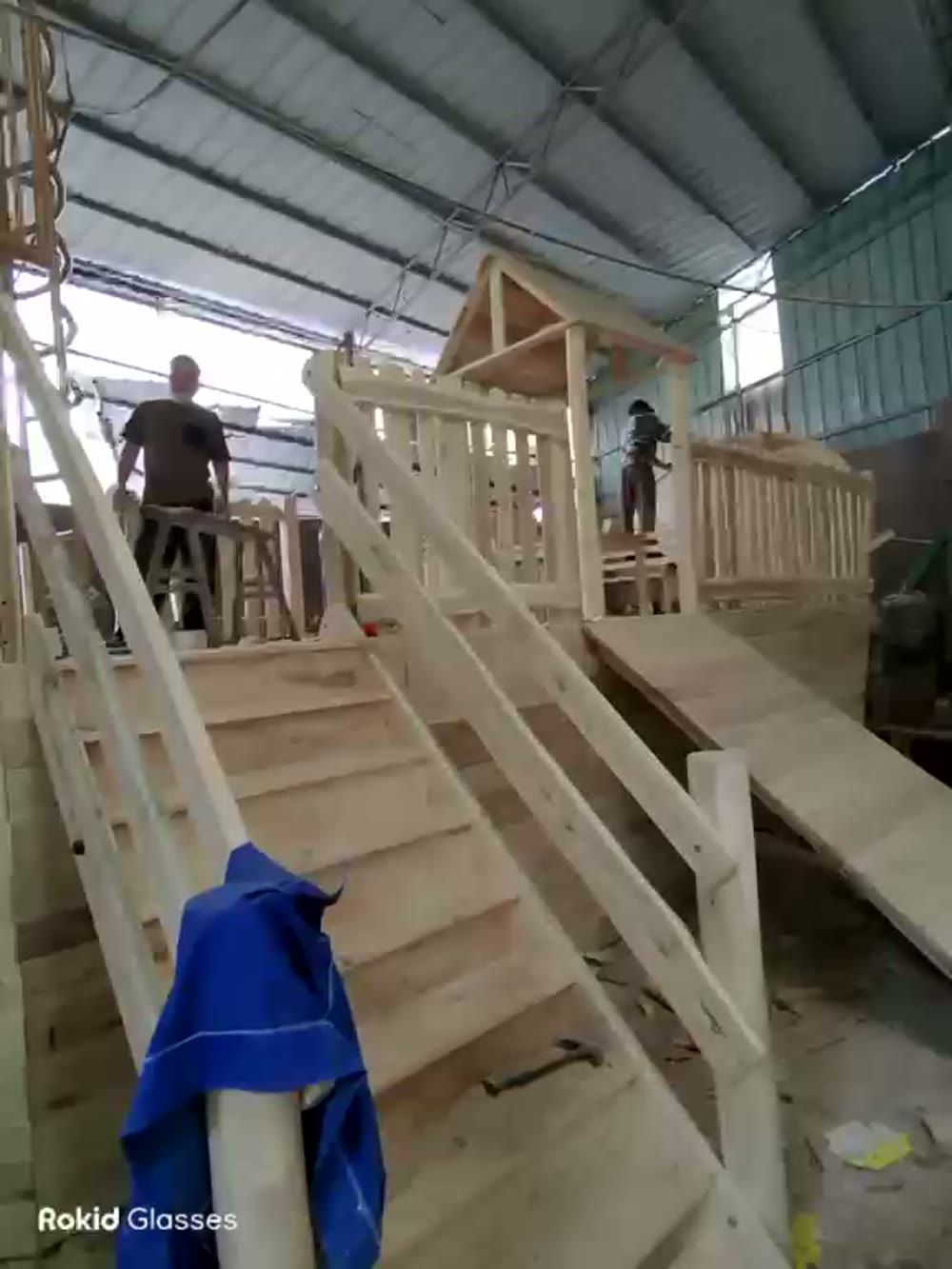
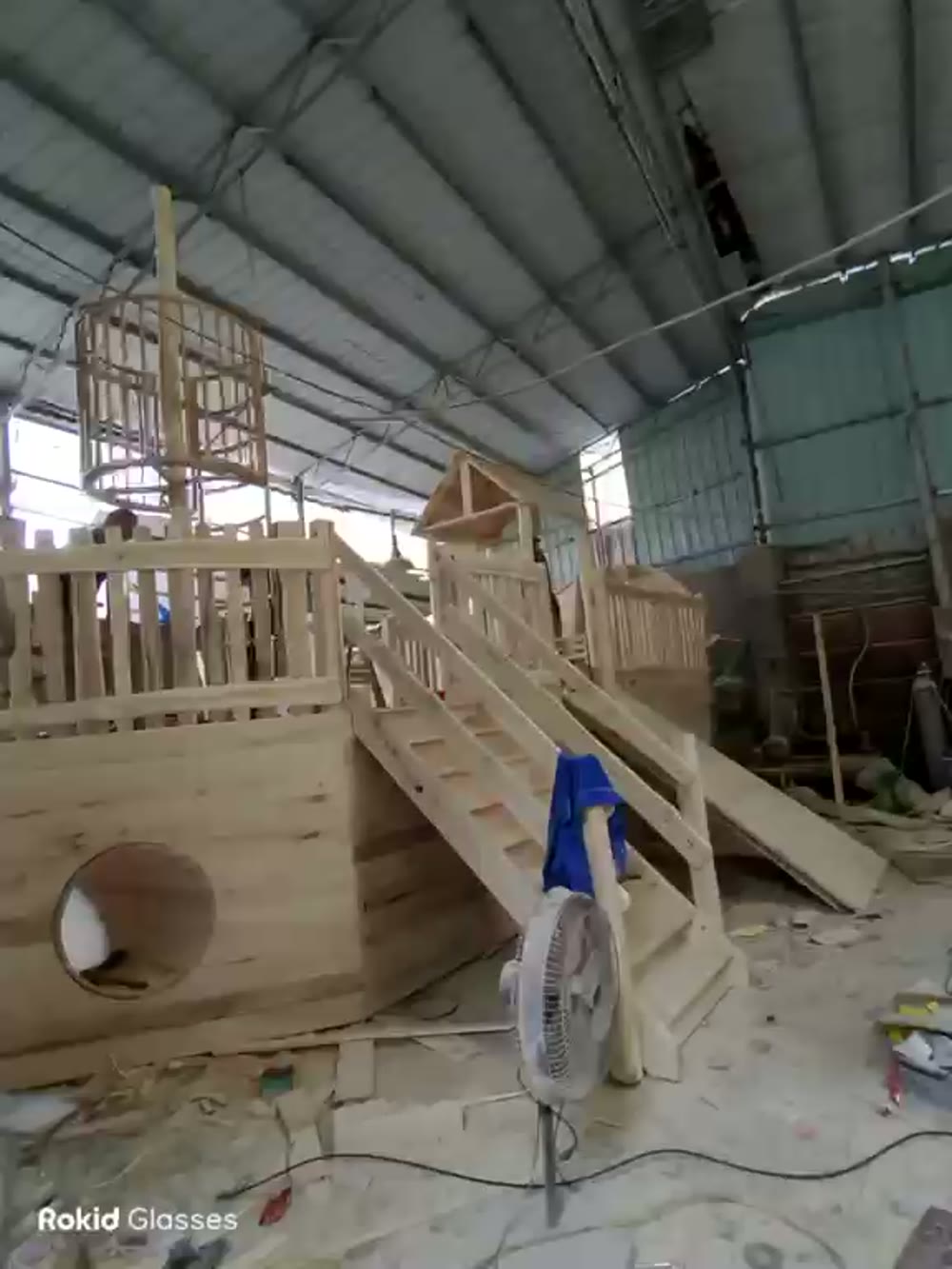
With the engineering files approved, production ran about 20 days. Robinia timber was milled, the galvanized-steel skeleton welded and treated against rust, the watchtower built with EN1176 fall-buffer mats, and the whole ship finished in three layers of paint. Throughout, Hon Playground sent the school a steady stream of workshop videos — factory-direct, nothing hidden.
Key points: ~20-day build · EN1176 buffer mats · Video QC updates.
June 15, 2026 · Shipping
Phase 08 — “The Golden Hind” — and a voyage to Oman
The school named the ship The Golden Hind in memory of a beloved governor, carried on a carved golden nameboard with a dedication plaque: “Designed by Tanzin Emma Islam & BSS Students · Built by honplay.com.” The finished ship was disassembled into big, labelled pieces, packed flat into a container with an installation guide, and set on course for port in Oman — inspected on video, right down to a child's play-test, before it ever left the factory.
Key points: Carved nameplate · Flat-pack container · Video inspection + play-test.