
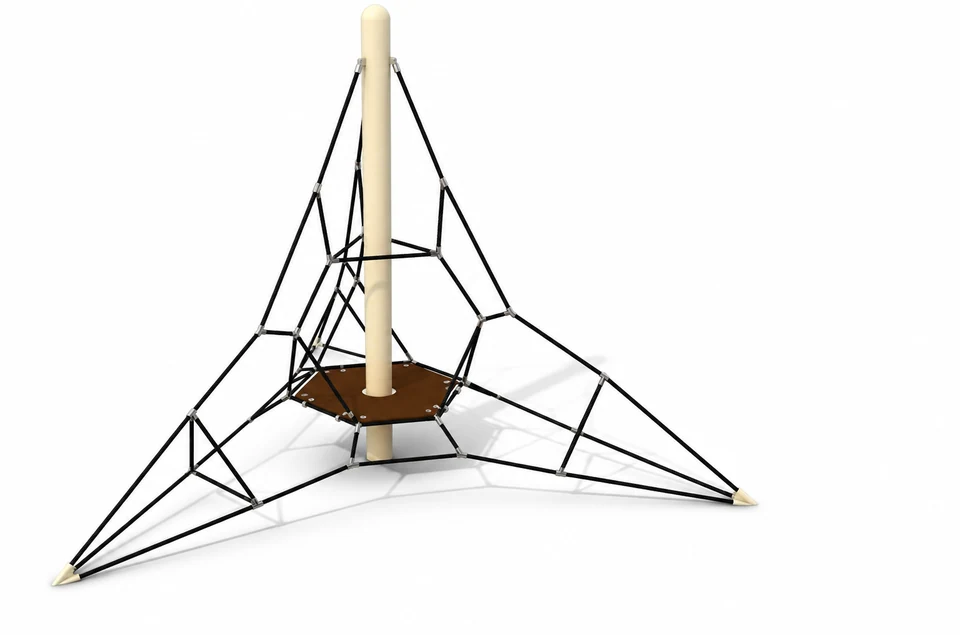
Mast rope climbing structure FY202-04
Mast rope climbing structure FY202-04 features central mast, triangular climbing nets and central platform board.
- Model
- FY202-04
- Reference dimensions
- 360 × 320 × 261 cm
- Age range
- 3-12 years
- TDS revision
- B
Reference FY202-04 when discussing your project.
Product information
Product Snapshot
| Product | Mast rope climbing structure FY202-04 |
|---|---|
| Category | Climbing rope nets |
| Reference dimensions | 360 × 320 × 261 cm |
| Age range | 3-12 years |
| Materials | Central mastGalvanized steel tube Triangular climbing netsPolyester rope with steel core Central platform boardPE sheet Rope connectorsAluminium / plastic, selected by component Bolts & fixings304 stainless steel |
Key Details
| Brand | HonPlay |
|---|---|
| SKU | FY202-04 |
Activities
- Climbing
Product overview
The Mast rope climbing structure FY202-04 combines a central mast with sloping triangular climbing nets and a central platform board. It is specified for ages 3–12 years and provides a dedicated climbing activity. The arrangement gives the project a rope-climbing element with a clearly identifiable central feature.
The galvanized steel tube mast supports the upper ropes and the platform. Around it, the triangular climbing nets use polyester rope with a steel core. The central platform board is a polygonal foothold made from PE sheet, adding a distinct foot-contact element within the mast's immediate arrangement.
Rope connectors serve the intersection and end connections, with aluminium or plastic specified by component. Platform and rope-end fixings are specified as 304 stainless steel. This component list helps buyers review the rope network, central foothold and hardware together with the corresponding assembly information.
Site Suitability
Planning the installed space
The reference dimensions are 360 × 320 × 261 cm. Use them for initial comparison, then obtain the final installation layout to establish the footprint, clearances and circulation requirements. Coordinate the approaches to the sloping nets with the paths and activities nearby using that layout.
Organizing participation
The stated age range is 3–12 years. Consider how this climbing activity fits the project's users and how supervised turns will be arranged. Review the proposed approaches and waiting positions with the other play activities so that the climbing structure can be understood within the overall operating plan.
Play Value
Exploring the sloping nets
The triangular nets provide sloping rope-climbing surfaces around the mast. Climbing offers opportunities to choose hand and foot contacts and to explore movement up, down or across a net. Introduce the activity through the model's use instructions and plan supervised turns for the project's users.
A central foothold
The polygonal platform board provides a foothold around the central mast. This is a distinct contact element alongside the rope nets, and its PE sheet specification differs from the rope material. Include the foothold when discussing the equipment's actual use and explaining the model to operators.
Engineering Highlights
Mast and platform relationships
The mast's stated role is to support the upper ropes and platform. The mast is galvanized steel tube, while the polygonal platform board is PE sheet. Platform and rope-end fixing is a separate component specification, using 304 stainless steel bolts and fixings.
Ropes and connectors
The climbing nets are polyester rope with a steel core. Rope connectors are specified as aluminium or plastic, selected by component, at intersection and end connections. Compare these entries by component when reviewing the order, and retain the specified connector assignments in the assembly record.
Safety & Installation
Installation planning
Installation information
Obtain the model's installation layout and site-preparation requirements before positioning the climbing structure. Confirm the mast installation and the role of each rope-end fixing from the applicable documentation. Coordinate the resulting ground and surfacing requirements with the installer, identifying the fixing roles before arranging the work on site.
Checking the climbing components
At handover, inspect the nets, platform board, rope connectors and fixings against the assembly documentation. Check for visible damage or obstruction and identify any connection questions by component. Use the applicable instructions for further checks and adjustments, retaining the connector-material assignment specified for each part.
Components & materials
| Component | Material and detail |
|---|---|
| Central mast | Galvanized steel tubeSupports upper ropes and platform. |
| Triangular climbing nets | Polyester rope with steel coreSloping climbing nets around the mast. |
| Central platform board | PE sheetPolygonal foothold around the mast. |
| Rope connectors | Aluminium / plastic, selected by componentRope intersection and end connections. |
| Bolts & fixings | 304 stainless steelPlatform and rope-end fixing. |
Technical data sheet
Download the technical data sheet for FY202-04 for product specifications and component details.
Questions & answers
What distinguishes this rope-climbing model?
Its central mast supports upper ropes and a platform, with sloping triangular nets arranged around the mast and a polygonal foothold at the centre. Compare those actual elements with the climbing experience wanted for the project. Review the nets and central foothold alongside the site's wider activity mix when considering the equipment selection.
How does the stated age range inform project selection?
The specified range is 3–12 years. Use that information when comparing the model with the project's intended users, and obtain the applicable operating requirements for supervision and participation. The documented age range is a selection input; the number of simultaneous users needs its own model-specific information.
What are the climbing nets and connectors made from?
The nets use polyester rope with a steel core. The intersection and end connectors are aluminium or plastic, selected by component. Keep the rope specification and connector assignments separate in an equipment schedule so the quotation and assembly information can be compared against the same component list.
How should space around the structure be assessed?
Start with the model's reference dimensions, then obtain the final installation layout for the actual footprint and required clearances. Review approaches to the nets alongside nearby paths and waiting positions. This connects the equipment selection with the site's circulation plan and gives the project team a common drawing for review.
What should be checked in the platform specification?
The central platform board is a PE sheet polygonal foothold around the mast. The mast supports the platform, and 304 stainless steel is specified for platform and rope-end fixing. Retain these component relationships in the order and assembly records when reviewing the central part of the structure.
What information should accompany the operator's handover record?
Keep the exact model reference, component specifications and applicable inspection and care instructions. Identify the nets, foothold, connectors and fixings in the record so later observations can be attributed to the relevant part. Seek the documented requirements before deciding on a rope adjustment, fixing change or repair.
Product comparison
| Product | Known specifications |
|---|---|
| Mast rope climbing structure FY202-04 | Reference dimensions: 360 × 320 × 261 cm Age range: 3-12 years |
| Multi-activity climbing course FY279-01 | Reference dimensions: 1700 × 220 × 280 cm |
| Pergola climbing course FY279-02 | Reference dimensions: 1600 × 320 × 320 cm |
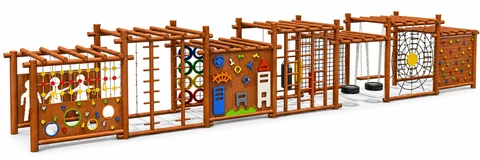 Multi-activity climbing course FY279-01
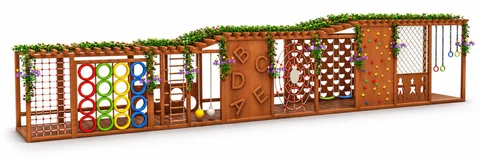 Pergola climbing course FY279-02
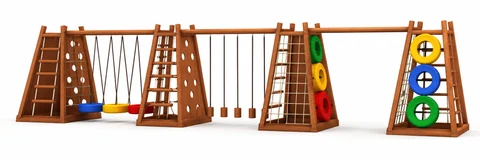 A-frame traverse course FY279-03